
Introduction
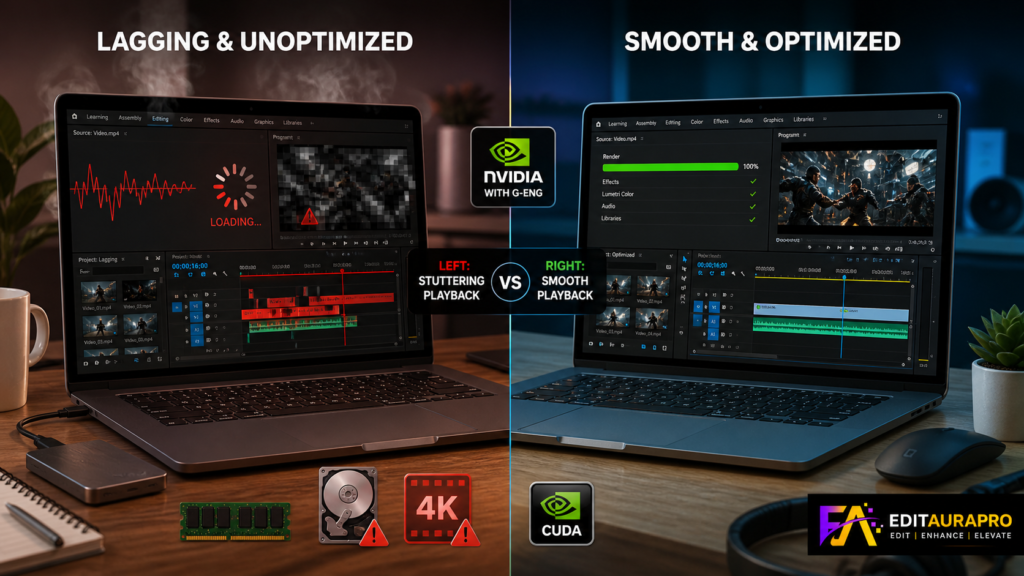
7 ways to fix Premiere Pro lag on a low-end PC is a topic many beginner editors search for when their system struggles with smooth playback. Editing high-resolution videos on older or budget computers can lead to lag, freezing, and slow rendering.
With tools like Adobe Premiere Pro, you can still achieve smooth performance by applying the right optimizations. In this guide, you will learn 7 ways to fix Premiere Pro lag on a low-end PC using simple techniques that improve speed and workflow without upgrading your hardware.
Why Premiere Pro Lags on Low-End PCs
Before exploring the 7 ways to fix Premiere Pro lag on a low-end PC, it is important to understand the cause of lag.
Common reasons include:
- Low RAM availability
- Slow hard drive (HDD instead of SSD)
- Heavy video files (4K/8K)
- Background applications
- Lack of GPU acceleration
Identifying these issues helps you apply the right fixes.
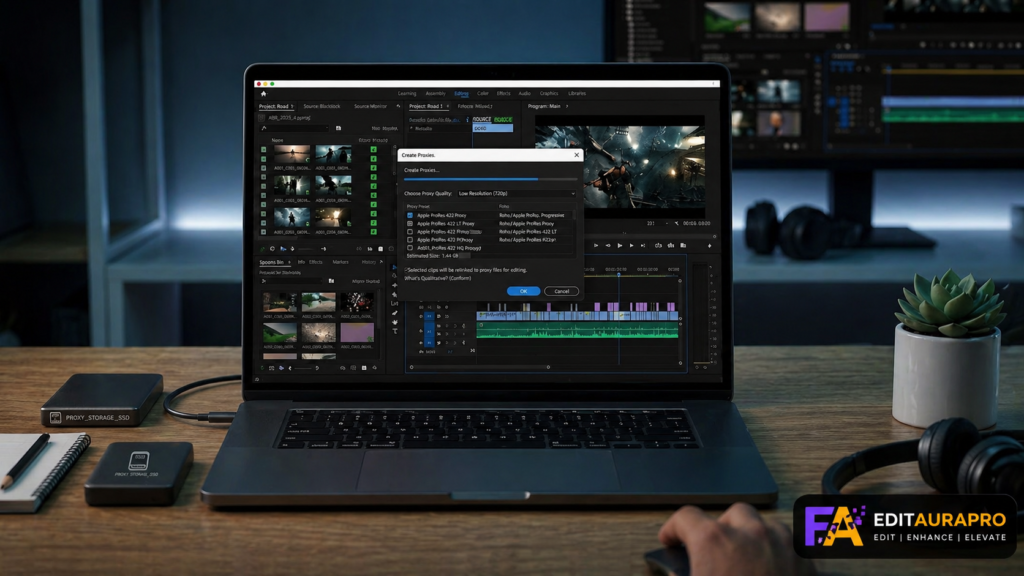
1. Use Proxies for Smooth Editing
One of the most effective methods among the 7 ways to fix Premiere Pro lag on a low-end PC is using proxies.
What are proxies?
Proxies are low-resolution versions of your original video files.
How to use:
- Right-click footage
- Select Proxy → Create Proxies
- Choose a low-resolution format
Editing with proxies reduces system load and improves playback speed.
2. Lower Playback Resolution
Another important step in the 7 ways to fix Premiere Pro lag on a low-end PC is reducing playback resolution.
How to adjust:
- Go to Program Monitor
- Change resolution from Full to 1/2 or 1/4
This reduces strain on your system and makes editing smoother.
3. Optimize RAM Usage
RAM management is crucial when applying the 7 ways to fix Premiere Pro lag on a low-end PC.
Steps:
- Go to Edit → Preferences → Memory
- Reduce RAM reserved for other applications
This allows Premiere Pro to use more memory for better performance.
4. Clear Media Cache Regularly
Media cache files can slow down your system over time.
As part of the 7 ways to fix Premiere Pro lag on a low-end PC, you should:
- Go to Preferences → Media Cache
- Click Delete
- Clear unused cache files
This helps maintain optimal performance.
5. Enable GPU Acceleration
GPU acceleration is a powerful feature in Adobe Premiere Pro that improves performance.
How to enable:
- Go to File → Project Settings → General
- Select Mercury Playback Engine GPU Acceleration
If unavailable, update your graphics drivers.
6. Render Timeline for Heavy Effects
When applying effects like color grading, your timeline may lag.
Among the 7 ways to fix Premiere Pro lag on a low-end PC, rendering helps:
Steps:
- Select the heavy section
- Go to Sequence → Render In to Out
This pre-renders the timeline for smoother playback.
7. Upgrade Storage to SSD
Hardware also plays a role in performance.
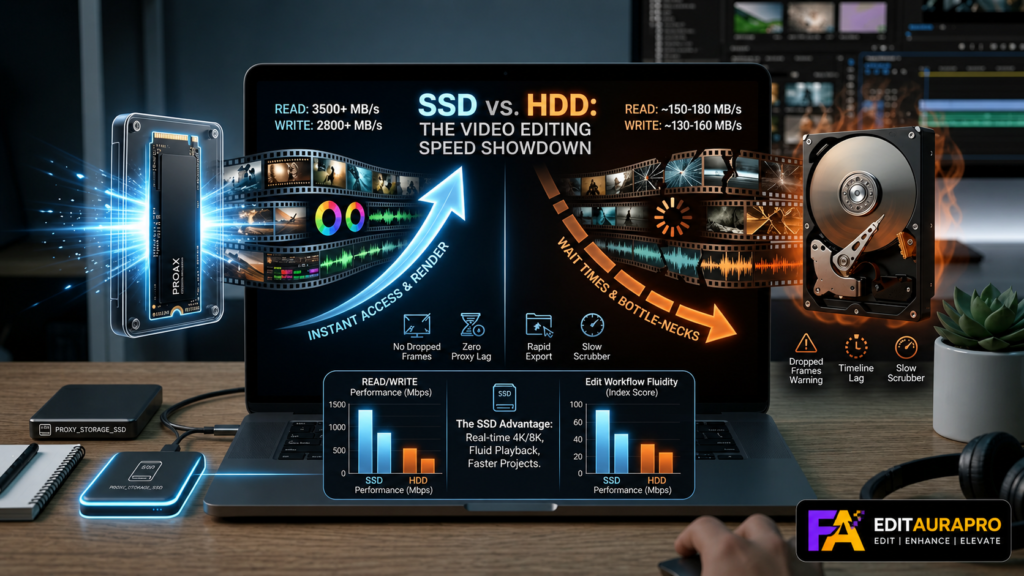
One of the most impactful 7 ways to fix Premiere Pro lag on a low-end PC is switching to an SSD.
Benefits:
- Faster file access
- Reduced loading time
- Better overall performance
Even an external SSD can significantly improve editing speed.
Common Mistakes to Avoid
While following the 7 ways to fix Premiere Pro lag on a low-end PC, avoid these mistakes:
- Editing directly from HDD
- Using high-resolution playback
- Running too many background apps
- Ignoring cache cleanup
Avoiding these issues ensures smoother editing.
Pro Tips for Better Performance
To get the best results from the 7 ways to fix Premiere Pro lag on a low-end PC:
- Close unnecessary applications
- Use optimized video formats
- Keep software updated
- Work with organized timelines
These small steps make a big difference.
Conclusion
Mastering the 7 ways to fix Premiere Pro lag on a low-end PC can transform your editing experience. Even without expensive hardware, you can achieve smooth playback by using proxies, optimizing RAM, clearing cache, and enabling GPU acceleration.
With the right approach in Adobe Premiere Pro, beginners can edit efficiently and create high-quality content. Start applying these techniques today and improve your workflow.
Struggling with slow editing?
Apply these tips today and enjoy a faster, smoother Premiere Pro experience